
Hydrophobic Barrier Formation in All-Purpose Anti-Rust Lubricants for Marine Equipment
Marine equipment operates in environments where metal surfaces are constantly challenged by seawater, humidity, salt deposits, and changing temperatures. Even small amounts of trapped moisture can accelerate corrosion when protective measures are insufficient.
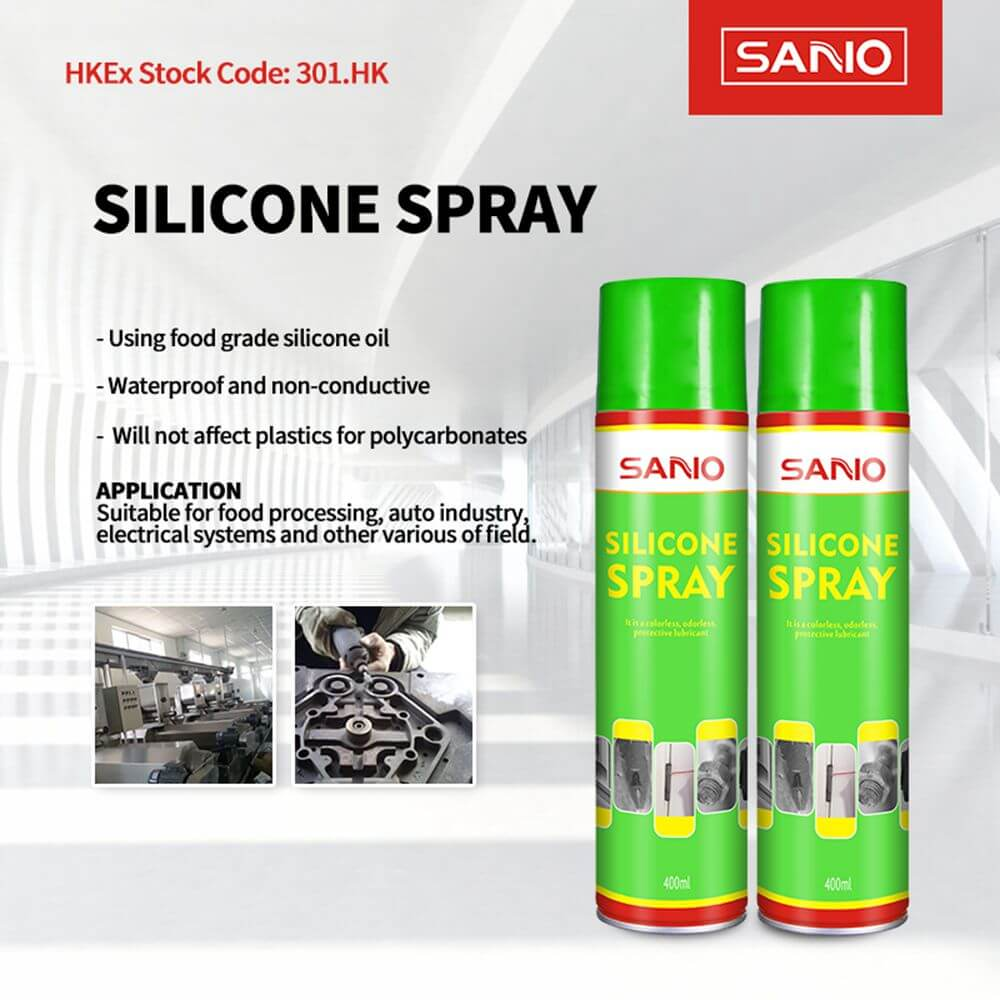
SANVO offers multi-purpose anti-rust lubricant solutions for applications including ships, where moisture and corrosion protection are important considerations. The performance of an all purpose anti rust lubricant depends not only on friction reduction but also on its ability to create a stable hydrophobic barrier that limits water contact and supports long-term corrosion protection in demanding marine environments.
Why Marine Corrosion Begins at the Metal-Water Interface
Corrosion is often initiated at the boundary where metal meets water. In marine environments, seawater acts as an electrolyte because dissolved salts increase the movement of ions between different areas of the metal surface.
When moisture remains attached to exposed metal, oxygen can participate in electrochemical reactions that gradually convert metal into corrosion products. The process may begin at microscopic surface defects before becoming visible as rust.
The challenge is that marine equipment rarely experiences completely dry conditions. Condensation, salt spray, and water residue can repeatedly restore the conditions required for corrosion.
A protective lubricant must therefore interrupt this interaction by reducing the ability of water to remain in direct contact with the metal.
How Anti-Rust Lubricants Create a Hydrophobic Barrier
The formation of a hydrophobic barrier begins when the lubricant spreads across the metal surface. A well-designed formulation can penetrate small surface irregularities and create a continuous protective layer.
During application, low-surface-tension components help the lubricant reach areas where moisture may collect. After spreading, protective molecules arrange within the film to reduce water attraction and improve resistance to moisture exposure.
The resulting barrier changes the way water interacts with the surface. Instead of forming a continuous layer that remains attached to the metal, water tends to separate into droplets that are easier to remove.
This water-repelling behavior helps reduce the time that moisture stays on the surface, lowering the opportunity for corrosion reactions to develop.
What Allows a Protective Film to Stay Attached to Metal
A hydrophobic barrier must remain stable after application to provide meaningful protection. A film that repels water but easily separates from the surface cannot provide reliable long-term performance.
Film adhesion plays an important role because marine equipment experiences vibration, movement, and repeated environmental stress. The protective layer needs enough attachment strength to remain on metal surfaces during operation.
At the same time, the film must maintain flexibility. A rigid coating may crack when components move or when temperatures change, creating exposed areas where corrosion can begin.
A suitable protective layer needs to balance surface attachment, flexibility, and resistance to displacement. This allows the lubricant film to continue protecting metal components under changing marine conditions.
How Water-Displacing Properties Protect Hidden Metal Areas
Many marine corrosion problems develop in areas that are difficult to inspect or maintain. Threaded fasteners, mechanical joints, hinges, and narrow gaps can trap moisture long after visible water has disappeared.
Water-displacing technology allows lubricants to move into these difficult areas and separate moisture from metal contact points. This is particularly valuable during maintenance because corrosion often begins in locations where protective coatings are incomplete.
An all-purpose anti rust lubricant with strong penetration ability can help protect both exposed surfaces and hidden contact areas. By reaching places where water accumulates, the lubricant improves overall corrosion resistance.
This function is especially important for marine equipment because many critical components contain complex structures where manual cleaning and drying are difficult.
Balancing Lubrication Performance With Corrosion Protection
A marine lubricant cannot focus only on water resistance. Moving components also require protection against friction and wear.
The protective film must provide enough lubricity to reduce direct metal contact while maintaining its hydrophobic characteristics. If the lubricant film breaks down during movement, both mechanical wear and corrosion risks may increase.
Formulation design therefore involves balancing several properties at the same time. The film must spread effectively, remain attached, reduce friction, and continue resisting moisture.
This multifunctional behavior separates specialized anti-rust lubricants from simple oil coatings that provide only temporary surface coverage.
How Saltwater Exposure Changes Protective Film Behavior
Saltwater creates additional challenges because corrosion protection must continue even when the surface encounters aggressive contaminants.
Salt crystals can remain on metal surfaces after water evaporates, creating concentrated areas where corrosion reactions may restart when moisture returns. Repeated wet and dry cycles can gradually challenge the stability of protective films.
Mechanical disturbance can also affect performance. Water flow, vibration, and surface movement may remove weak protective layers from exposed components.
For this reason, marine lubricant development focuses on creating films that maintain their protective function after repeated environmental exposure rather than only during initial application.
Evaluating Hydrophobic Performance During Lubricant Development
Testing hydrophobic performance requires more than observing whether water forms droplets on a surface. Manufacturers evaluate how effectively the protective layer remains functional after exposure to realistic conditions.
Water resistance evaluation helps determine how effectively the film limits moisture contact with the metal surface. Salt spray testing provides information about corrosion protection under accelerated marine-like conditions.
Film durability assessments also help identify whether the lubricant can remain attached after temperature changes, handling, and mechanical stress.
These evaluations allow formulators to understand how the protective barrier behaves throughout its service life.
Conclusion
Hydrophobic barrier formation is a fundamental mechanism behind effective corrosion protection in marine equipment. A well-designed protective film reduces water contact, supports corrosion resistance, and helps maintain lubrication performance under harsh conditions.
Formulation expertise and practical application knowledge are combined in SANVO‘s approach to developing lubricant solutions for demanding environments, enabling marine equipment users to improve protection against moisture, saltwater exposure, and corrosion-related failures.