
How to Select Nucleic Acid Extraction Equipment for Clinical Laboratories
Clinical laboratories face complex decisions when upgrading molecular diagnostic infrastructure to meet rising testing demands. Choosing the right purification hardware directly impacts diagnostic turnaround times, cross-contamination risks, and overall operational efficiency.
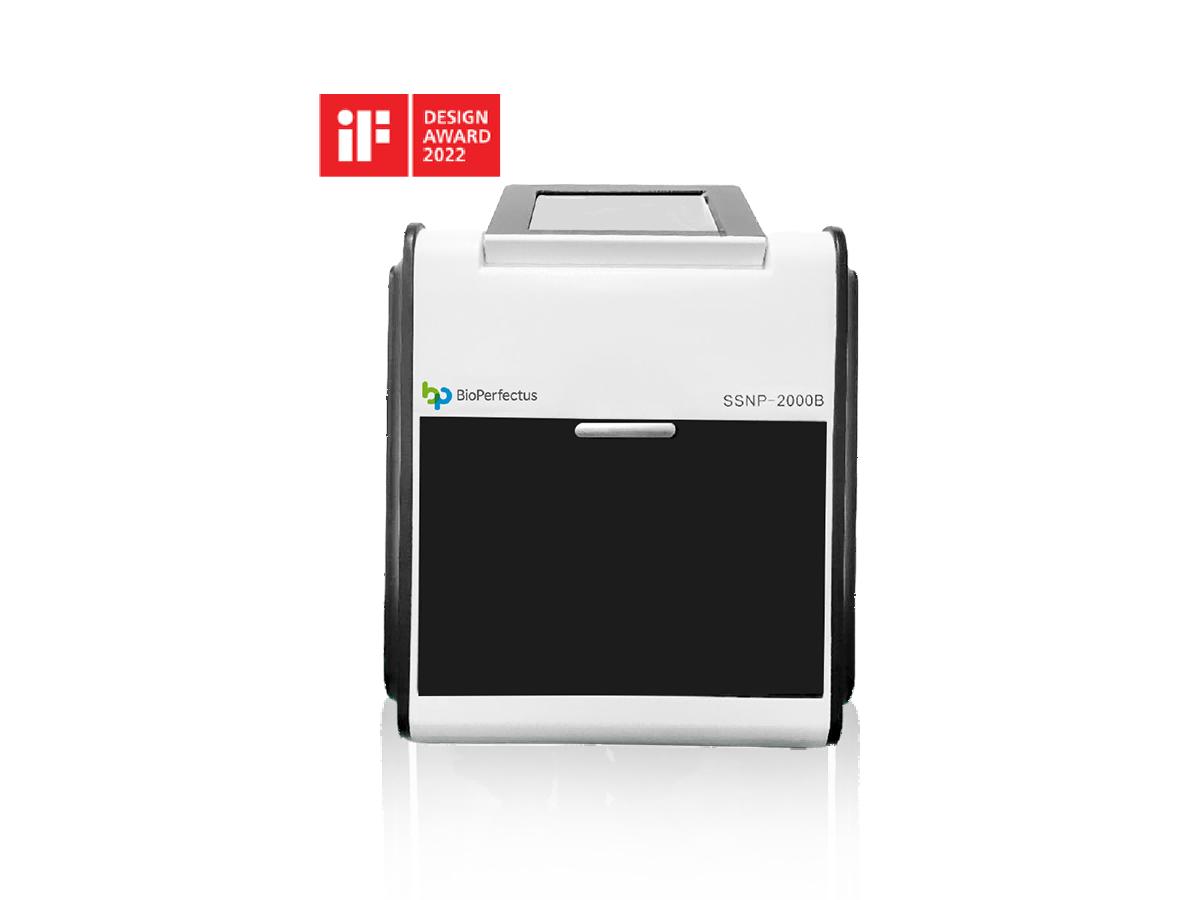
Laboratory directors must weigh technical parameters against spatial and budgetary constraints to ensure optimal long-term value. A methodical evaluation framework prevents costly procurement mismatches and aligns instrument capabilities with clinical workloads.
Assessing Laboratory Workflow Demands and Spatial Constraints
Selecting appropriate diagnostic hardware requires balancing physical laboratory dimensions with daily sample processing volumes and spatial layouts. Modern clinical facilities frequently operate under strict spatial limitations, making benchtop footprint a primary consideration when choosing a nucleic acid extraction system for routine clinical testing.
Compact hardware models alleviate crowding on laboratory benches while maintaining robust processing capabilities for high-throughput molecular workflows. Facility managers must analyze available counter space and power requirements carefully before finalizing procurement contracts.
Laboratories managing moderate diagnostic volumes benefit from instruments requiring minimal spatial allocation without sacrificing operational reliability or analytical precision. Physical dimensions directly dictate installation feasibility, urging facility managers to evaluate bench space availability prior to finalization.
Integrating streamlined devices prevents bottlenecks in clinical diagnostic suites where counter space remains exceptionally limited. Deploying such advanced nucleic acid extraction equipment transforms cramped laboratory environments into highly organized molecular testing hubs.
Evaluating Throughput Efficiency and Processing Speed Parameters
Processing capacity dictates how effectively a clinical laboratory manages fluctuating daily test volumes during peak operational hours. Instruments accommodating up to thirty-two samples per single run provide an optimal balance for mid-tier diagnostic laboratories.
Rapid turnaround times directly influence clinical decision-making, particularly during urgent infectious disease outbreaks or heavy seasonal testing cycles. High throughput efficiency ensures that laboratory technicians can process multiple batches without experiencing operational delays or workflow bottlenecks.
Protocol duration varies depending on specific lysis and binding parameters established within the sophisticated instrument firmware. Modern workflows complete DNA and RNA purification cycles within thirteen and a half to forty-five minutes.
Selecting a versatile nucleic acid extraction system ensures laboratories meet stringent reporting deadlines without compromising nucleic acid yield or purity. Shorter extraction times directly translate to faster diagnostic reporting and improved patient management pathways across clinical departments.
Magnetic bead recovery efficiency represents another critical performance metric governing operational reliability in molecular laboratories. High recovery rates exceeding ninety-eight percent guarantee consistent magnetic particle retention across all ninety-six deep-well plate positions.
Consistent magnetic capture prevents carryover contamination and ensures reproducible downstream amplification results across diverse clinical sample matrices. Reliable bead recovery minimizes experimental failure rates and reduces the necessity for costly sample retesting procedures.
Integrating Rigorous Contamination Control and Biosafety Measures
Controlling aerosol dispersion and cross-contamination remains a paramount objective in molecular pathology laboratories handling infectious agents. Advanced contamination mitigation strategies incorporate ultraviolet disinfection lamps, external high-efficiency particulate air filtration, and independent airflow pathways.
Biological filter cotton successfully traps nucleic acid aerosols generated during rigorous mixing and shaking phases. Strict environmental containment safeguards protect laboratory personnel while preserving sample integrity throughout the extraction process.
Multi-mode and multi-speed oscillating mixing modules enhance lysate homogenization while preventing mechanical splashing during operation. Precise thermal control units capable of heating from ambient room temperature up to one hundred twenty degrees Celsius optimize lysis and elution recovery.
Procurement specialists must prioritize nucleic acid extraction equipment that embeds comprehensive biological containment safeguards directly into the physical architecture. Robust contamination controls safeguard diagnostic accuracy and protect downstream amplification instruments from cross-contamination risks.
Matching Downstream Molecular Applications with Reagent Compatibility
Purified nucleic acid quality dictates the success of sensitive downstream molecular assays such as quantitative polymerase chain reaction and sequencing. Compatibility with specialized reagent kits broadens the spectrum of acceptable clinical specimen types, including serum, plasma, urine, virus culture media, and various swabs.
Laboratories processing diverse sample matrices require hardware engineered to interface seamlessly with optimized magnetic bead chemistries. High-purity eluates ensure reliable amplification kinetics and prevent polymerase inhibition during sensitive molecular detection assays.
BioPerfectus designs integrated platforms that unify hardware execution with validated extraction reagents to maximize workflow synergy. Optimal reagent-instrument integration ensures high-yield recovery of viral RNA and bacterial DNA from complex background environments.
Clinical teams evaluating automated solutions must verify that hardware parameters support versatile sample volumes ranging from twenty to one thousand microliters. Standardized protocols streamline daily laboratory operations and eliminate manual preparation discrepancies.
Aligning Procurement Decisions with Long-Term Laboratory Goals
Capital expenditure alignment and reagent consumption rates dictate the long-term economic sustainability of diagnostic investments. Facilities operating on constrained budgets benefit from compact platforms that reduce per-test operational costs through efficient reagent utilization.
Intuitive software interfaces featuring flexible program management tools simplify protocol customization for emerging laboratory assays. Cost-effective operational models empower clinical laboratories to expand diagnostic menus without overextending institutional budgets.
BioPerfectus delivers engineered solutions tailored to modern molecular laboratories seeking reliable diagnostic instrumentation. Equipment longevity depends on robust manufacturing standards, intuitive touchscreen navigation, and external barcode scanner connectivity options that streamline sample tracking.
Strategic procurement decisions ultimately empower clinical laboratories to achieve sustained diagnostic excellence and operational resilience. Comprehensive technical support ensures minimal instrument downtime and maintains continuous laboratory productivity.
BioPerfectus continues supporting clinical facilities worldwide through advanced technological innovations and dedicated technical service networks. Selecting optimal purification hardware involves careful alignment of physical dimensions, processing speed, contamination safeguards, and reagent compatibility.
Laboratories equipped with versatile, precision-engineered platforms remain exceptionally well-positioned to navigate evolving molecular diagnostics demands. Strategic investments in reliable extraction technology secure long-term clinical accuracy and institutional growth.