
Actionable Steps for Battery Recycling in Manufacturing
Battery recycling has become a critical operational task for manufacturers that produce lithium-ion cells, modules, and energy storage systems. Production facilities generate various recyclable materials, including defective cells, leftover components, and end-of-life batteries that require organized handling.
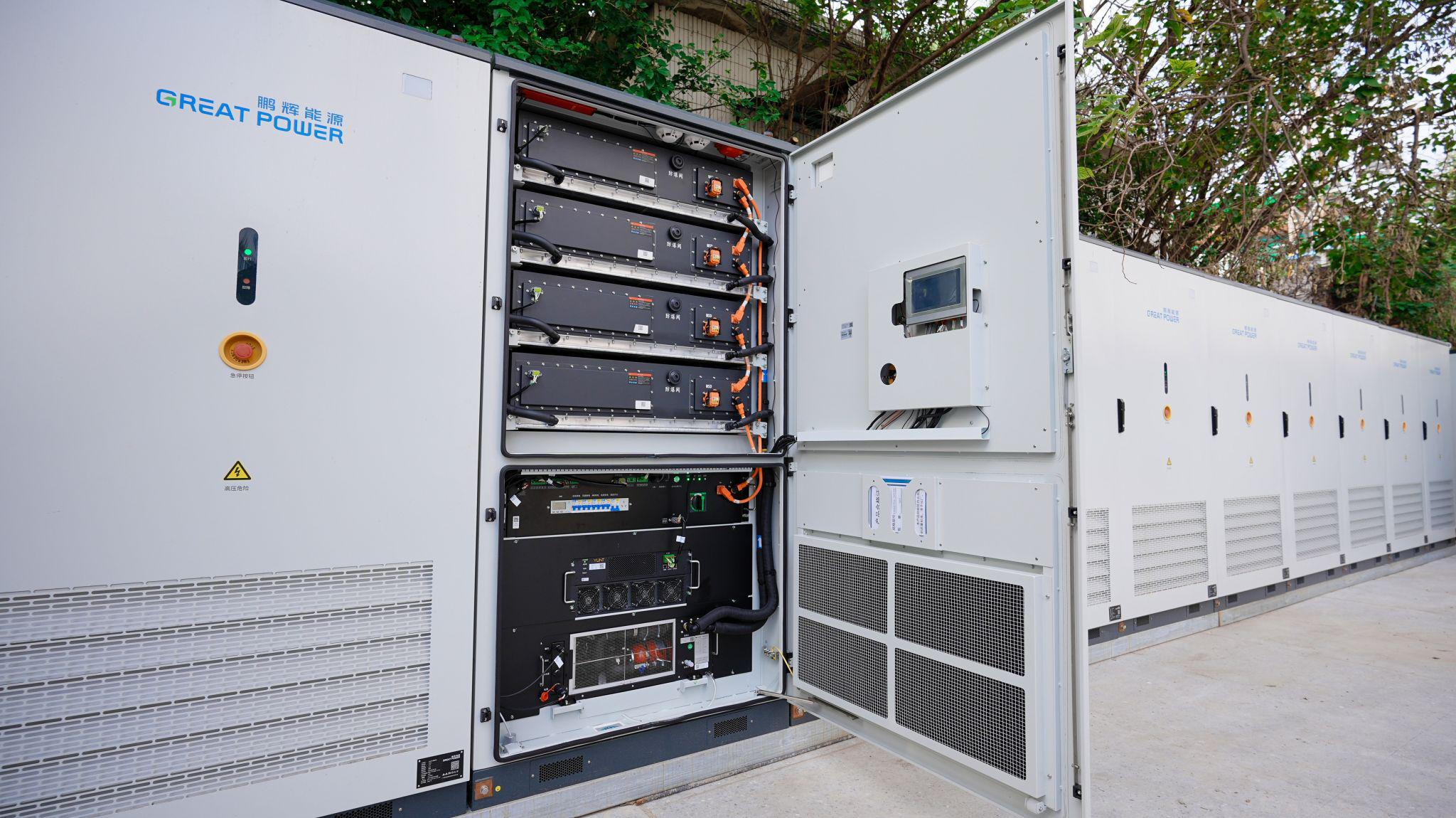
A successful recycling program depends on clear procedures, accurate material classification, and efficient recovery methods. Manufacturers need practical steps that connect recycling activities with daily production operations while maintaining safety, quality, and cost control.
Responsible battery lifecycle management requires procedures for collection, classification, storage, transport, and approved recycling. A structured recycling program can also support resource utilization and more responsible battery lifecycle management .
Step 1: Establish a Battery Waste Collection System
The first step in battery recycling is creating a dedicated collection system inside the manufacturing facility. Production teams should separate battery waste from different manufacturing stages, including failed cells, damaged products, and unused materials.
Clear collection categories make later recycling processes more efficient. Manufacturers should label materials based on battery type, condition, and origin to prevent mixing different components that may require different treatment methods.
A reliable tracking process also improves transparency. Digital records can help production managers understand where waste is generated and identify opportunities to reduce unnecessary material losses.
For an energy storage company, organized waste collection provides a foundation for managing large-scale battery production responsibly. A consistent system ensures recyclable materials are captured before they become difficult to process.
Step 2: Sort and Evaluate Battery Materials Before Recycling
Material sorting plays an essential role in improving recycling efficiency. Different battery chemistries contain different combinations of metals and materials, meaning each category requires suitable recycling methods.
Manufacturers should evaluate collected batteries according to their chemistry, physical condition, and potential recovery value. This assessment should determine whether the material is eligible for controlled rework, material recovery, or recycling under an approved engineering and safety procedure.
Proper sorting also improves workplace safety. Damaged batteries may require special handling procedures because they can present risks during storage and transportation.
Companies involved in lithium ion battery manufacturing must integrate sorting standards into their production management systems. Careful classification helps ensure recovered materials meet the requirements for future applications.
Step 3: Apply Efficient Material Recovery Technologies
The third step focuses on recovering valuable resources from processed battery materials. Recycling technologies can extract materials such as lithium, nickel, cobalt, copper, and aluminum for potential reuse in new products.
Mechanical separation, chemical processing, and refining techniques are commonly used to recover different battery components. Manufacturers should select recycling methods based on battery design, material composition, and operational goals.
Efficient recovery reduces dependence on newly sourced raw materials and creates a stronger connection between production and resource reuse. It also allows manufacturers to improve the long-term value of battery materials.
Great Power supports advanced battery solutions by focusing on technology development and responsible energy applications. Integrating recycling considerations into battery strategies helps create more complete lifecycle management approaches.
Step 4: Integrate Recycling Into Manufacturing Operations
Battery recycling should not be treated as a separate activity after production. Manufacturers can achieve better results by connecting recycling processes directly with manufacturing planning.
Production teams can reduce waste by improving process control, monitoring material usage, and identifying recyclable output during manufacturing stages. This approach creates a smoother flow between production lines and recycling facilities.
Design decisions also influence future recycling performance. Battery structures that allow easier separation and identification can improve recovery efficiency after the product reaches the end of its service life.
For companies specializing in lithium ion battery manufacturing, integrating recycling into production planning creates advantages in resource management and operational efficiency. A complete manufacturing strategy considers both battery creation and material recovery.
Step 5: Strengthen Safety and Quality Control Procedures
Safety management is a necessary part of every battery recycling program. Manufacturing facilities must establish clear rules for battery storage, transportation, and processing to protect employees and equipment.
Training programs help workers understand proper handling methods for different battery conditions. Monitoring systems can also detect potential issues before they affect recycling operations.
Quality control ensures that recovered materials maintain suitable standards for future use. Testing procedures help verify material performance and prevent unsuitable components from entering new battery production.
An energy storage company serving industrial customers must maintain strict quality requirements because energy systems depend on reliability and long service performance. Strong recycling management supports both environmental goals and product consistency.
Step 6: Develop Partnerships Across the Recycling Supply Chain
Effective battery recycling requires cooperation between manufacturers, recycling specialists, material suppliers, and technology providers. Building strong partnerships allows companies to improve recycling capacity and develop more efficient recovery networks.
Manufacturers should evaluate recycling partners based on technical capability, safety practices, and processing standards. The right partnerships help create a stable system for handling increasing battery volumes.
A connected recycling network also supports future battery innovation. Recovered materials can contribute to new production cycles, reducing waste and improving supply chain flexibility.
Great Power continues to focus on battery technology development and energy solutions that support evolving market needs. Responsible lifecycle management remains an important consideration for the future of battery industries.
Turning Battery Recycling Steps Into Long-Term Manufacturing Value
Battery recycling in manufacturing requires more than collecting used batteries. It involves a complete process that includes waste collection, material sorting, recovery technology, production integration, safety management, and supply chain cooperation.
Manufacturers that implement clear recycling steps can improve resource efficiency while preparing for future energy demands. Practical recycling strategies help transform battery waste into valuable materials that support continued innovation.
The future of battery production will depend on combining advanced manufacturing capabilities with responsible resource management. Companies that adopt effective recycling practices can build stronger, more sustainable operations throughout the battery lifecycle.